
Introduction:
In the rapidly advancing landscape of technology, the advent of 5G has emerged as a game-changer, promising not just faster connectivity but a revolutionary impact on various industries. This article delves into the ongoing 5G revolution, exploring its transformative effects on connectivity, the Internet of Things (IoT), and emerging technologies.
- Lightning-Fast Connectivity:The fundamental promise of 5G lies in its unparalleled speed. With speeds up to 100 times faster than 4G, users can now download large files, stream high-definition content, and engage in real-time communication with unprecedented efficiency. This leap in connectivity is reshaping the way we interact with digital content and services.
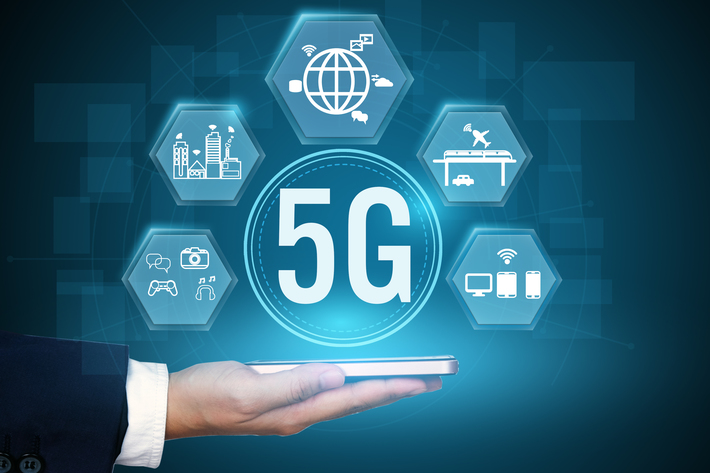
- Empowering the Internet of Things (IoT):5G serves as the backbone for the expansion of IoT, connecting a myriad of devices seamlessly. From smart homes and cities to industrial applications, the low latency and high bandwidth of 5G enable a more interconnected and responsive network of devices. This interconnectedness propels us towards a future where devices communicate and collaborate in real-time.
- Revolutionizing Industries:Beyond personal connectivity, 5G is driving a profound transformation in various industries. Healthcare, manufacturing, transportation, and agriculture are among the sectors benefiting from the increased speed and reliability of 5G networks. Remote surgeries, smart factories, and autonomous vehicles are becoming a reality, ushering in a new era of efficiency and innovation.
- Augmented and Virtual Reality Take Center Stage:The immersive experiences promised by augmented and virtual reality (AR/VR) are fully realized with the capabilities of 5G. Lag-free, high-bandwidth connections enable seamless AR/VR applications, from immersive gaming experiences to practical applications like virtual tours and remote collaboration. This marks a significant leap forward in the integration of these technologies into our daily lives.
- Challenges and Considerations:Despite its transformative potential, the 5G rollout comes with challenges. Issues related to infrastructure development, security concerns, and the need for global standardization are areas that industry leaders and policymakers are actively addressing. Recognizing and navigating these challenges will be crucial for ensuring a smooth and secure transition to the 5G era.
Conclusion:
The 5G revolution is not just about faster internet; it’s a catalyst for innovation across industries. As we witness the unfolding impact on connectivity, IoT, and emerging technologies, it becomes evident that we are on the cusp of a technological renaissance. Buckle up as we ride the waves of 5G, propelling us into a future where the unimaginable becomes the new norm.
 MyReaders News Blog